

HOW TO BECOME AN OUTSTANDING ACHIEVER
Whether you are an athlete, entrepreneur, musician, chef, or corporate...
RENOUNCE TO REJOICE
When a fisherman casts his net, he encounters four kinds...
THE INNER BATTLE
What was the timeless formula, given 5000 years ago, that...

THE KNOWLEDGE EDGE
We live in the age of Knowledge Capital. Knowledge drives...

FATE, FREE WILL & LAW OF KARMA
The word “karma” comes from the Sanskrit verb kri, to...

RELATIONSHIPS
DISCORD TO ACCORD
Do you have conflict with the people you love most?...

Sculpt Your Future
Nobody can predict your future. Only you can create it...
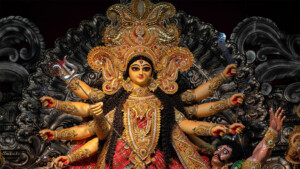
This Navratri,
Awaken the Divinity Within
Navratri means nine nights. These are opportunities to transform your...

Guru – Dispeller of Darkness
On Guru Purnima day we pay obeisance to the lifeline...

Digital Detox
Technology is incredible and has conferred huge benefits in every...

All You Have To Do
Is Be Happy!
Vedanta says our only real duty in life is to...

Distress to De-Stress
Stress is the disease of the 21st Century! Everyone seems...
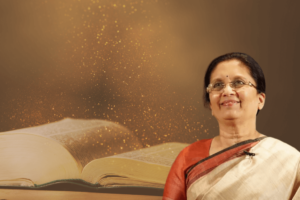
Life Lessons From Bhagavad Gita
Do you want to become more successful? Will one more...

Slay The Demons Within
Everyone is born with greatness. We all have the capacity...

Raksha Bandhan: The Bond of Love
Celebrated on the full moon day in the Hindu calendar...

Is Lord Krishna’s Message Relevant in Modern Times?
Lord Krishna is one of the most revered avatars or...

COLOUR YOUR LIFE WITH GOODNESS
Holi is a festival of colours, of love, and spring....

Woman Power
The woman appears deceptively weak, fragile and vulnerable. Yet there...

The Magic of Oneness
The Bhagavad Gita invites you to partake of the power...

Change Attitude, Not Lifestyle
People believe that to turn spiritual you have to change...

All the World’s a Stage
Shakespeare echoed the central theme of the Upanishads when he...

Awaken the Leader in You
There are different types of leaders – family heads, corporate...

The Guna Code
The Bhagavad Gita helps achieve excellence in the world. And...

Karma and Rebirth
Human suffering is one of life’s most compelling mysteries: Why...

Matter & Spirit
Children enjoy playing with masks. The more grotesque the mask,...

Bhagavad Gita – Guide For The Young
While the rest of the world was still in the...

Distress to De-Stress
What disturbs the mind? You believe a bad boss, nagging...